Get Wood Chips Installation
Local contractors can install wood chips to improve landscape aesthetics, control weeds, protect soil, or prepare areas for gardening and outdoor projects.
If you are considering a wood chips installation for your property, you are in the right place to explore your options. Many property owners look into this type of project to enhance landscape aesthetics, improve soil health, or create a natural mulch solution that helps with weed control and moisture retention. Comparing services from nearby contractors can provide valuable insights into the different approaches and solutions available, ensuring the work aligns with your property’s specific needs.
Local contractors specializing in wood chips installation offer a range of practical benefits, from helping define outdoor spaces to supporting sustainable landscaping practices. Taking the time to review and connect with these service providers can help you plan your project effectively and find the right fit for your property. Keep reading to discover how local experts can assist in bringing your vision for a well-maintained, attractive landscape to life.
- Wood Chips Installation - when creating natural mulch beds for landscaping projects.
- Wood Chips Delivery - for property owners needing bulk wood chip supplies for gardening or erosion control.
- Wood Chips Spreading - to improve soil health and moisture retention in garden or landscape areas.
- Wood Chips for Playground Surfacing - when installing safety surfacing for play areas and recreational spaces.
- Wood Chips Removal - for clearing old or excess mulch during landscape renovations or site cleanups.
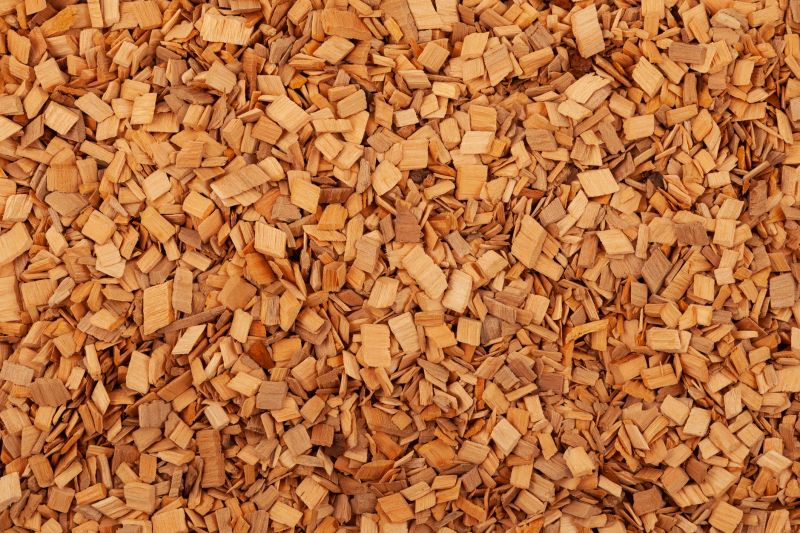
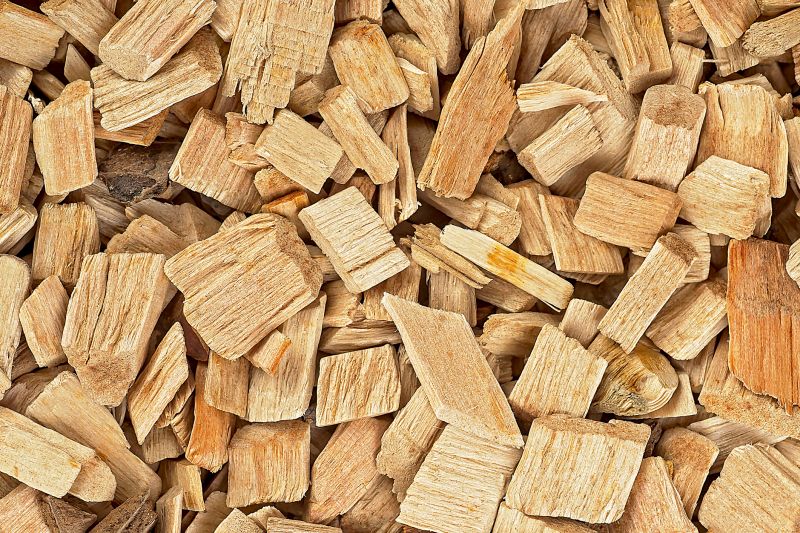
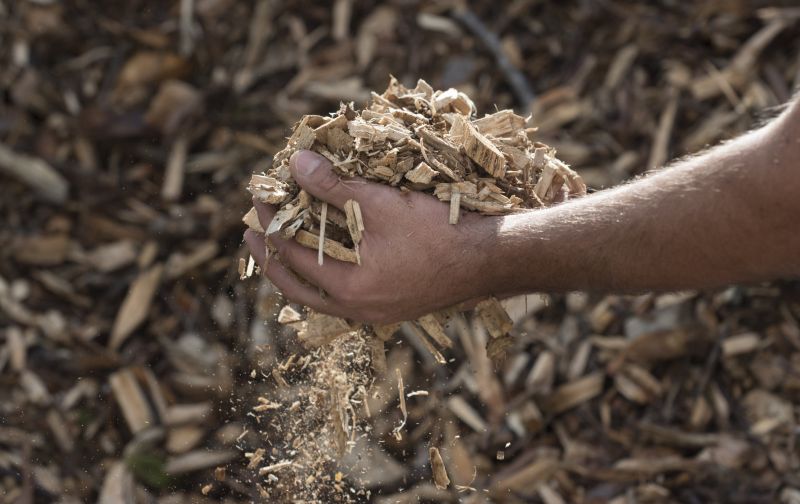
Wood chips installation services involve spreading a layer of mulch made from chipped or shredded wood over designated areas of a property. This process typically includes preparing the ground, selecting appropriate wood chip materials, and evenly distributing the mulch to create a uniform surface. Professional contractors may also tailor the depth and coverage based on the specific needs of the landscape, ensuring the mulch provides effective coverage for plant beds, pathways, or other outdoor spaces.
This service helps address common landscaping challenges such as weed growth, soil erosion, and moisture retention. Applying wood chips can suppress weeds by blocking sunlight and reducing the opportunity for unwanted plants to take root. Additionally, the mulch acts as a protective layer that helps retain soil moisture, which can be especially beneficial during dry periods. It also provides insulation for plant roots, helping to regulate soil temperature and promote healthier plant growth.
Properties that frequently utilize wood chips installation include residential homes with garden beds or landscaped yards, community parks, school grounds, and commercial properties with outdoor landscaping. Homeowners often choose this service to improve the appearance of their gardens, reduce maintenance, and create a more inviting outdoor environment. Commercial property managers and landscape maintenance companies also rely on professional installation to maintain attractive, functional outdoor spaces for clients, employees, and visitors.
Homeowners considering wood chips installation typically look for a practical way to enhance their landscape while managing weeds and moisture. This service is especially useful when establishing new garden beds, refreshing existing mulch layers, or creating natural pathways within a yard. By working with experienced local contractors, property owners can ensure the mulch is installed correctly and tailored to the specific needs of their outdoor space, resulting in a more attractive and functional landscape.
The overview below groups typical Wood Chips Installation projects into broad ranges so you can see how smaller, mid-sized, and larger jobs often compare in your area.
In many markets, a large share of routine jobs stays in the lower and middle ranges, while only a smaller percentage of projects moves into the highest bands when the work is more complex or site conditions are harder than average.
Smaller Projects - Installing wood chips for small landscaping areas typically costs between $250 and $600. Many routine jobs fall within this range, depending on the size of the area and material costs.
Medium-sized Installations - Larger yard projects or garden mulching usually range from $600 to $1,500. Most homeowners see costs within this band, with some projects reaching higher based on scope and site conditions.
Full Yard Coverage - Complete coverage of a large property can cost between $1,500 and $3,000. These projects are common for extensive landscaping, though larger, more complex jobs can exceed this range.
Complete Replacement or Commercial Projects - Replacing existing wood chip layers or handling large commercial landscapes can cost $3,000 or more. Such projects are less frequent and often involve higher material and labor costs depending on scale.
Actual totals will depend on details like access to the work area, the scope of the project, and the materials selected, so use these as general starting points rather than exact figures.
Mulch and Ground Cover Installation - Local contractors skilled in installing mulch and ground covers share techniques with wood chips installation, including site preparation and material spreading.
Landscape Edging Projects - Professionals who install landscape edging often work with similar tools and planning methods as those used for wood chips to create defined garden borders.
Garden Bed Preparation - Preparing garden beds involves soil leveling and layering, skills that are also essential for effective wood chips installation.
Pathway and Walkway Construction - Building garden pathways with gravel or stone requires planning and material handling comparable to installing wood chips for walkways.
Tree Mulching Services - Applying mulch around trees involves similar techniques and tools used for spreading wood chips across larger landscape areas.
Soil Amendment and Layering - Adding organic matter or soil layers in landscaping projects shares planning and site preparation skills with wood chips installation services.
When comparing service providers for wood chips installation, it is important to consider their experience with similar projects. Homeowners should look into how long a local contractor has been performing wood chip installation and whether they have a track record of completing projects similar in scope and style. An experienced professional is more likely to understand the nuances of installation techniques, material handling, and site preparation, which can contribute to a successful outcome. Gathering information about their previous work can help establish confidence in their ability to meet expectations and handle the specific requirements of the project.
Clear, written expectations are essential when evaluating potential local contractors. Homeowners should seek detailed proposals or estimates that outline the scope of work, materials to be used, and the steps involved in the installation process. Having this information in writing helps prevent misunderstandings and provides a basis for comparing different service providers objectively. It is also beneficial to clarify any questions about the process upfront, ensuring that both parties have aligned expectations before work begins. Clear communication about project details can contribute to a smoother experience and a more satisfactory result.
Reputable references and good communication are key factors in selecting a reliable local pros for wood chips installation. Homeowners may ask for references from past clients or look for reviews that speak to the contractor’s professionalism, reliability, and quality of work. Additionally, effective communication throughout the process-such as responsiveness to inquiries and clarity in explanations-can indicate a contractor’s dedication to customer service. Choosing a service provider who values transparency and maintains open lines of communication helps ensure that any concerns are addressed promptly and that the project proceeds smoothly from start to finish.
Property owners use Wood Chips Installation services for practical projects around their homes and businesses. This guide focuses on everyday jobs and straightforward project options.
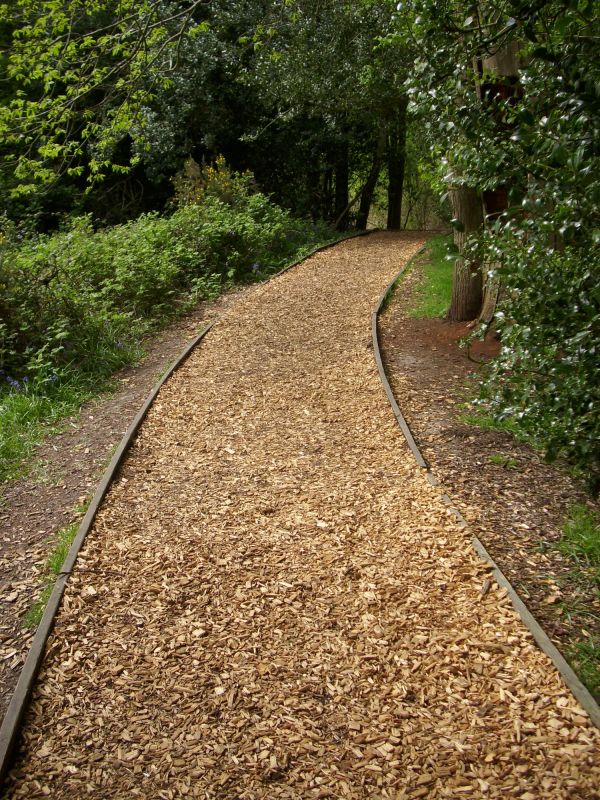
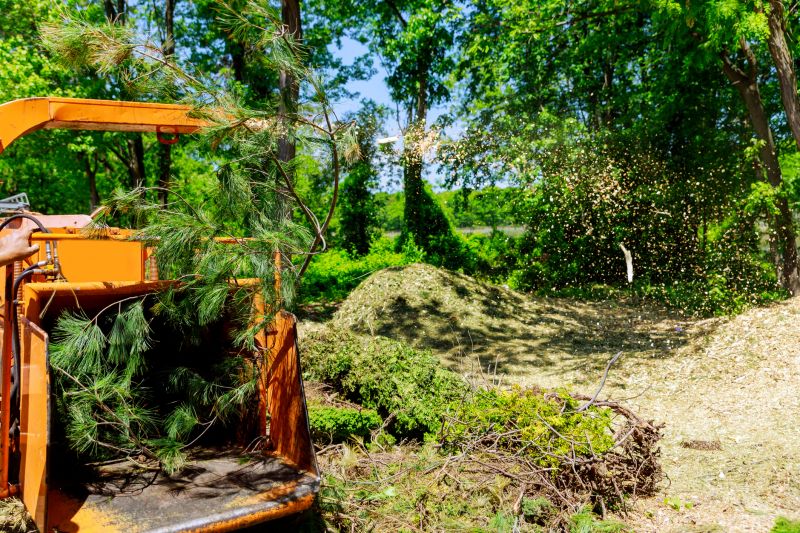
Wood chips installation is a common project for property owners looking to improve their outdoor spaces. Whether it's for landscaping, creating a natural mulch layer, or enhancing the appearance of a garden bed, local contractors can provide the expertise needed to handle these tasks efficiently. Property owners might seek out these services to reduce weed growth, protect soil, or simply achieve a more polished and inviting yard.
Many individuals turn to local service providers when they want a straightforward, affordable way to update their landscape. From spreading fresh wood chips around trees and shrubs to covering large areas for erosion control, local pros can offer tailored solutions that meet specific property needs. Connecting with experienced contractors ensures the work is done properly, helping property owners maintain attractive and functional outdoor areas.
What are wood chips used for in landscaping? Wood chips are often used for mulching garden beds, pathways, and around trees to help retain soil moisture and suppress weeds.
How do local contractors install wood chips? Contractors typically spread the wood chips evenly over designated areas, ensuring proper coverage and depth for effective mulching and aesthetic appeal.
Can wood chips be used around existing plants? Yes, wood chips can be applied around existing plants to help conserve moisture, regulate soil temperature, and improve soil health over time.
What types of wood are used for creating chips? Various woods such as pine, cedar, and hardwoods are used, depending on the desired appearance and specific landscaping needs.
Are there different installation methods for wood chips? Installation methods may vary, but generally involve spreading and leveling the chips, with some contractors offering additional features like edging or layering for durability.
Mulching Garden Beds - Local contractors can install wood chips around plants and flower beds to help retain moisture and suppress weeds.
Playground Safety Surfacing - Wood chips can be used as a soft surface under playground equipment to provide cushioning and reduce injury risk.
Pathway and Walkway Edging - Wood chips can define garden pathways or walkways, creating a natural and attractive border.
Erosion Control Solutions - Property owners can use wood chips on slopes or bare soil areas to prevent erosion and improve landscape stability.
If you are thinking about Wood Chips Installation for a property, this guide is meant to help you understand the work, the typical project types, and how different options might fit your plans.
When you are ready, you can use the quote form on this page to share a few details about your project. From there, local pros can review the basics and respond with options that match what you have in mind.